

Introduction|Rethinking Zinc Alloy Die Casting Beyond “Low Cost”
For years, zinc alloy die casting has been described as a cost-effective alternative to aluminum or steel. While that statement is not wrong, it is far from complete. Today's manufacturers face different pressures: shorter product life cycles, tighter tolerances, customization demands, and faster scale-up expectations. In this context, zinc alloy die casting is no longer just a process—it is a strategic manufacturing choice.
Modern zinc alloy for die casting offers a rare balance between precision, flexibility, and production stability. When combined with a mature zinc die casting process, it allows manufacturers to rethink how parts are designed, assembled, and brought to market. This is exactly why more OEMs are shifting critical components toward Zinc Parts Die Casting instead of treating zinc as a secondary option.
This article explores five benefits of zinc alloy die casting that are often underestimated—but increasingly decisive for manufacturers competing on speed, quality, and long-term cost control.
Benefit 1|Design Freedom That Reduces Engineering Compromise
How Zinc Alloy for Die Casting Unlocks Geometry Others Cannot
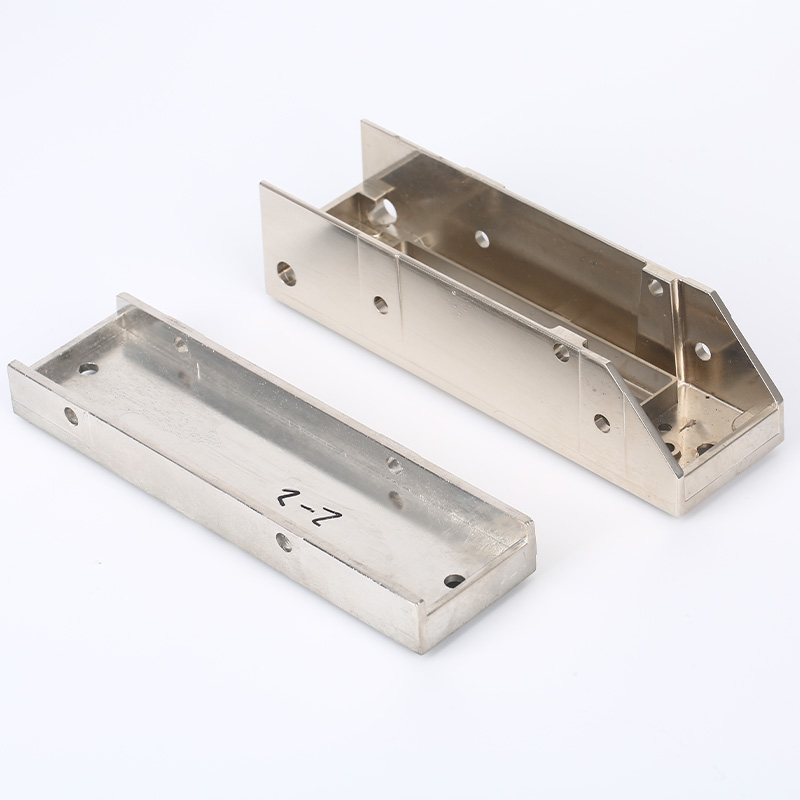
One of the most powerful—but least discussed—advantages of zinc alloy die casting is design freedom. Zinc alloys flow exceptionally well in the mold, allowing thin walls, sharp corners, fine threads, and complex internal features to be formed directly during casting. This dramatically reduces the need for secondary machining or multi-part assemblies.
For manufacturers, this means fewer components, simpler bills of materials, and lower assembly risk. Engineers can design parts based on functional needs rather than manufacturing limitations. Compared with aluminum, zinc alloy for die casting supports tighter geometries with greater consistency, especially in small and medium-sized precision parts.
This design flexibility is a major reason why zinc die casting is widely used in electronic enclosures, locking systems, connectors, and precision hardware—applications where geometry accuracy directly affects performance and user experience.
Benefit 2|Tolerance as a Cost Weapon, Not a Quality Burden
Why Zinc Parts Die Casting Changes the Economics of Precision
In many manufacturing processes, tighter tolerances equal higher costs. Zinc alloy die casting challenges this assumption. Thanks to low melting temperatures and minimal thermal stress, zinc die casting process delivers excellent dimensional stability straight out of the mold.
Zinc Parts Die Casting can routinely achieve tolerances that would otherwise require CNC machining in aluminum or steel. For manufacturers, this shifts the cost equation: instead of paying for precision through post-processing, precision is built into the casting itself.
The result is lower total manufacturing cost, higher consistency across large volumes, and fewer quality deviations. In industries where fit, alignment, and repeatability matter, zinc die casting turns precision from an expense into a competitive advantage.
Benefit 3|Tooling Longevity That Reshapes ROI Calculations
What Most Manufacturers Miss About Zinc Die Casting Tool Life
Tooling cost is often a deciding factor when choosing a die casting material. What many manufacturers overlook is tooling longevity. Zinc alloy die casting operates at significantly lower temperatures than aluminum or magnesium, resulting in far less mold wear.
For a Zinc Die Casting Company, this translates into longer mold life, fewer maintenance cycles, and more stable production over time. For manufacturers, it means tooling investments are amortized over larger production volumes, dramatically improving ROI.
This advantage becomes especially important in long-term or wholesale zinc alloy die casting programs, where mold replacement costs can quietly erode margins if material choice is wrong.
Benefit 4|From Prototype to Wholesale Zinc Alloy Die Casting—Without Process Shock
Why Zinc Scales More Smoothly Than You Think
Many manufacturing processes struggle when moving from prototype to mass production. Zinc alloy die casting is different. Its process stability allows small-batch trials, pilot runs, and full-scale wholesale zinc alloy die casting to use the same fundamental tooling logic.
This reduces redesign risk, shortens validation cycles, and allows manufacturers to scale faster with confidence. The consistency of the zinc die casting process ensures that what works in early production will continue to work at volume.
For manufacturers launching new products under tight timelines, this smooth scalability is a decisive advantage.
Benefit 5|Custom Zinc Die Casting as a Brand Differentiator
How Zinc Enables Customization Without Killing Margins
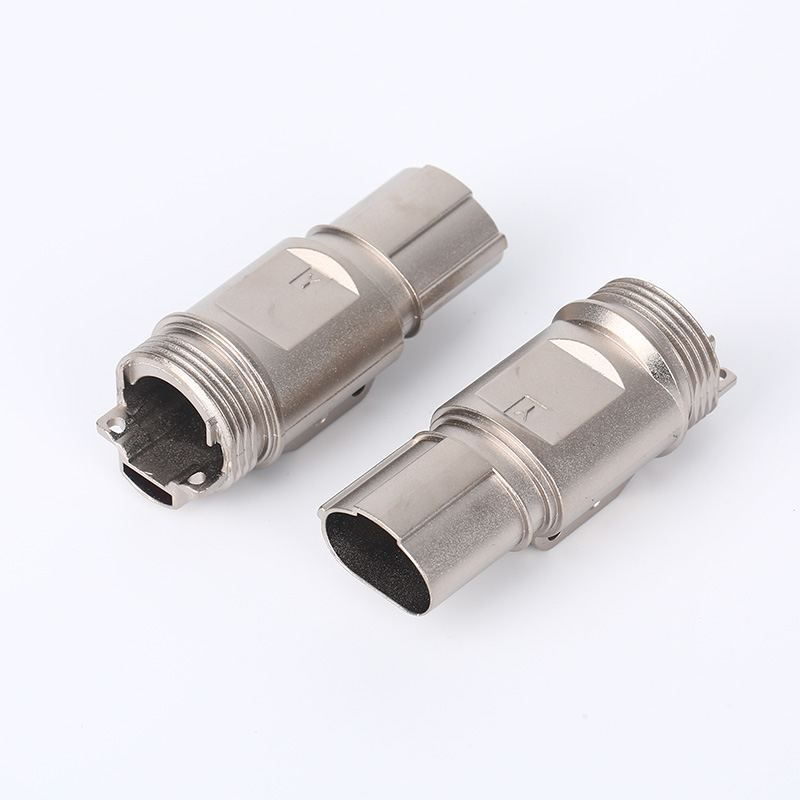
Customization is no longer optional—it is expected. Zinc alloy die casting makes customization economically viable. From logos and textures to structural variations, custom zinc die casting allows manufacturers to differentiate products without excessive cost increases.
Because zinc supports fine surface detail and excellent finishing compatibility, brands can achieve premium aesthetics while maintaining production efficiency. This makes zinc die casting especially attractive for consumer electronics, hardware, and industrial branding components.
Instead of competing purely on price, manufacturers can use customization as a strategic positioning tool.
Conclusion|Zinc Alloy Die Casting as a Manufacturing Strategy
Zinc alloy die casting is no longer just about producing parts—it is about enabling smarter manufacturing decisions. From design efficiency and tolerance economics to tooling ROI and scalable customization, zinc offers advantages that align perfectly with modern manufacturing demands.
For manufacturers seeking speed, precision, and long-term cost control, partnering with the right Zinc Die Casting Company can turn zinc alloy die casting into a true competitive advantage.
FAQ
Q1 EN: Is zinc alloy die casting suitable for high-volume production?
A: Yes. Zinc's tooling longevity and process stability make it ideal for high-volume and wholesale production.
Q2 EN: How does zinc compare to aluminum die casting?
A: Zinc offers better precision and lower tooling wear, while aluminum suits larger structural parts.
Q3 EN: Can zinc die casting support custom surface finishes?
A: Absolutely. Zinc is compatible with plating, painting, polishing, and texturing.