

In today's fast-changing manufacturing environment, buyers often ask: Is zinc alloy die casting still the right choice?
With new materials, advanced CNC machining, and alternative metals emerging, it is easy to assume that zinc is outdated. Many decision-makers worry that zinc alloy die casting parts may no longer meet modern standards for precision, surface finish, or strength.
But the real question is not about the material itself. Zinc remains highly relevant when applied correctly, with the right process, and executed by a capable manufacturer. Understanding the interplay between part design, process control, and supplier expertise is critical for avoiding costly mistakes and ensuring predictable results.
This article dives deep into:
● When zinc die casting is the most effective solution
● Situations where alternative processes may outperform zinc
● How manufacturer expertise affects outcomes
1. Why Zinc Die Casting Remains Relevant
Zinc die casting parts remain widely used in modern manufacturing for a combination of precision, cost-efficiency, and the ability to form complex geometries in one step.
Die cast zinc alloy excels in situations such as:
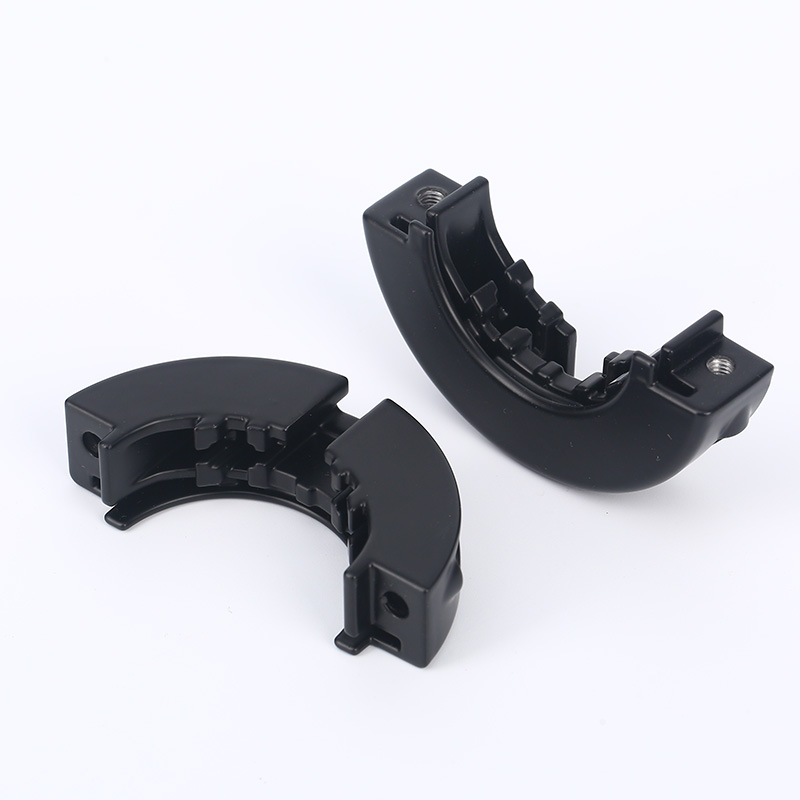
① Small to medium-sized parts with tight tolerances: Zinc's low melting point and high fluidity allow complex shapes to fill mold cavities completely, ensuring high dimensional accuracy without extensive secondary machining.
② Integrating multiple features: Features such as threads, bosses, ribs, and undercuts can often be incorporated into a single zinc die casting part, reducing assembly steps and potential misalignment.
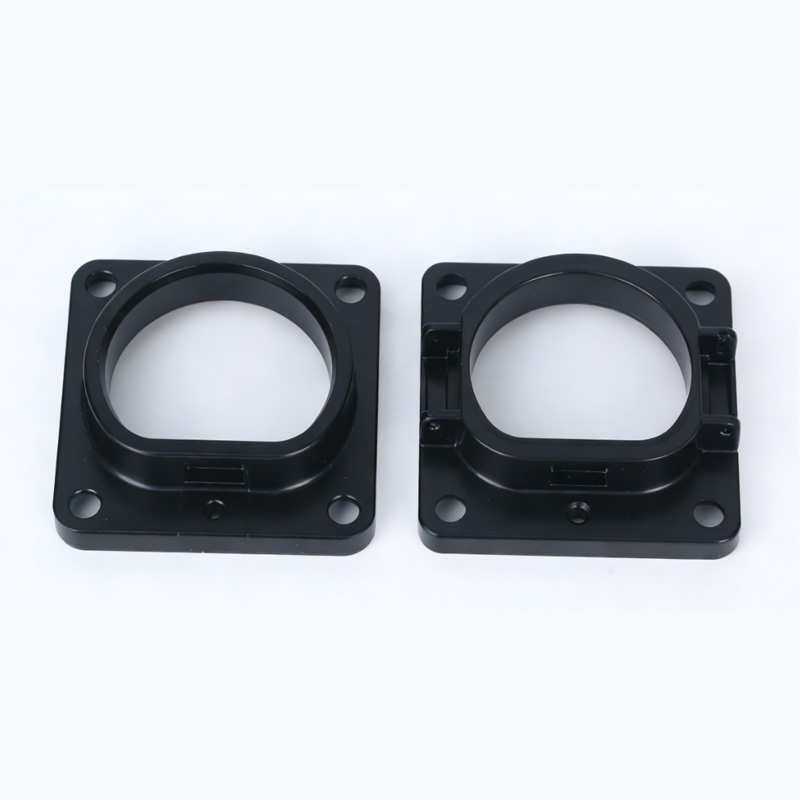
③ Consistent surface finish: High-quality die casting yields smooth surfaces suitable for plating or painting, which is harder to achieve with CNC or alternative materials without additional finishing processes.
Moreover, zinc's recyclability and relative cost advantage make it a practical choice for projects requiring repeatable quality over large production volumes. In short, when matched to the right application, zinc die casting continues to provide efficiency and reliability that few alternatives can match.
2. Situations Where Zinc May Not Be the Best Choice
Despite its versatility, zinc alloy die casting parts are not universal. Some situations where zinc may not be ideal include:
● Very large parts requiring high structural strength: Zinc's mechanical properties limit its use for heavy-duty structural components. For such applications, aluminum, steel, or high-strength alloys may be necessary.
● High-temperature applications: Zinc melts at a lower temperature than many alternative metals. Components exposed to extreme heat may deform or lose mechanical properties.
● Extremely low-volume runs: High tooling costs for zinc die casting can be prohibitive for low-volume projects. In these cases, CNC machining or 3D printing may provide a better return on investment.
Recognizing these limitations is critical. Experienced buyers often run preliminary feasibility checks or consult with the manufacturer early to determine if zinc die casting is truly the best solution.
3. The Role of the Manufacturer
One of the most critical factors in zinc die casting success is the manufacturer's expertise, not just the material. Even perfectly designed parts can fail if the supplier lacks process control, mold maintenance, or experience in die cast zinc alloy.
A capable zinc die casting manufacturer will:
● Evaluate feasibility before quoting: Reviewing drawings for manufacturability, shrinkage allowance, and venting design.
● Identify potential defects early: Predicting warpage, porosity, and surface finish issues before production.
● Control the zinc die casting process: Maintaining correct temperatures, injection pressures, and cycle times for consistent results.
● Communicate risks clearly: Explaining limitations upfront to prevent misalignment of expectations.
This is why selecting the right zinc die casting supplier often outweighs merely choosing the “right material.”
4. Making the Right Decision
When evaluating zinc alloy die casting parts for your project, consider:
① Part size, geometry, and tolerances: Determine if zinc's properties align with the functional requirements.
② Annual volume and tooling amortization: High tooling costs require sufficient production volume to justify investment.
③ Surface finish and post-processing: Decide whether cosmetic perfection or plating requirements demand additional attention.
Supplier expertise: The manufacturer's track record in die cast zinc alloy, process control, and quality consistency is crucial.
Balancing these factors allows zinc die casting to remain a cost-effective, precise, and reliable solution in modern manufacturing.
Conclusion
Zinc alloy die casting is not outdated — it is application-dependent and manufacturer-sensitive.
Understanding when and how to use zinc die casting parts, and selecting a capable manufacturer, ensures predictable quality, reduces risk, and maximizes value. For buyers seeking precision, efficiency, and long-term reliability, the right zinc die casting supplier makes all the difference.