

1. Why “Die Casting Zinc Alloy” Is No Longer Just a Manufacturing Choice
For decades, die casting zinc alloy was treated as a technical option—chosen after design, after cost estimation, and often after failure with other metals.
Today, that order has reversed.
Modern manufacturers increasingly start with zinc alloy die casting, not because it is familiar, but because it reshapes cost structures, design freedom, and production scalability at the earliest stage of product development.
Zinc alloy die casting is no longer a background process. It has become a strategic manufacturing decision.
2. Zinc Alloy for Die Casting: The Material That Thinks Like an Engineer
Engineers don't choose materials based on density charts—they choose based on what fails less, costs less, and scales faster.
Zinc alloy for die casting behaves in ways engineers appreciate:
● It flows easily into thin, complex cavities
● It maintains tight tolerances without secondary machining
● It cools fast, enabling high-cycle production
In practice, zinc alloy acts like a shortcut between design intent and production reality.
3. Die Cast Zinc Alloy vs Other Metals: Decisions Engineers Don’t Say Out Loud
When engineers compare die cast zinc alloy with aluminum or steel, the discussion rarely stays on paper.
Aluminum looks lighter—but requires more machining.
Steel looks stronger—but explodes tooling and cycle costs.
Die cast zinc alloy often wins quietly, not because it is “better,” but because it reduces the number of problems teams must manage simultaneously.
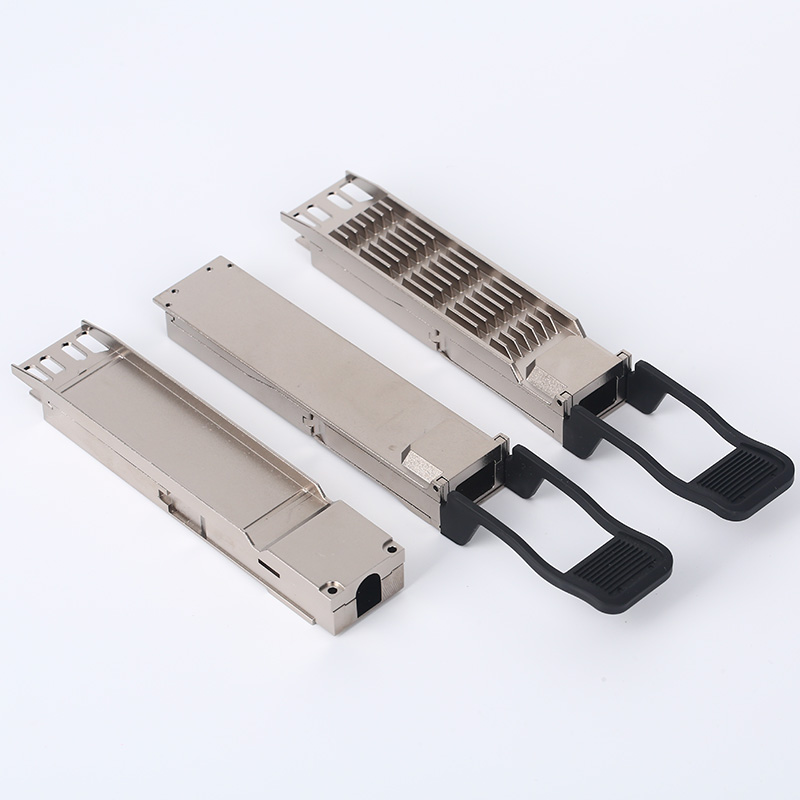
4. Zinc Die Casting Alloys Explained Through Use, Not Chemistry
Zinc die casting alloys are often categorized by names like Zamak 3, Zamak 5, or ZA alloys—but those labels matter less than where they succeed.
● Consumer electronics housings
● Precision connectors
● Structural brackets with cosmetic requirements
Each zinc alloy die cast solution exists because it fits a product reality, not a textbook definition.
5. From Idea to Part: How Zinc Alloy Die Casting Parts Are Actually Born
Zinc alloy die casting parts rarely begin with a finalized drawing.
They usually begin with a constraint—cost pressure, assembly issues, or inconsistent tolerances from previous processes.
In real projects, zinc alloy die casting often enters at the moment when teams realize machining is too slow, plastics are too weak, and aluminum is too unstable dimensionally.
From that point, the design evolves with the process. Wall thicknesses, ribs, bosses, and fastening features are optimized specifically for zinc alloy die cast behavior—not adapted later as a compromise.
6. Zinc Alloy Die Cast Parts That Replace Machining — Quietly
Few manufacturers openly say they replaced machining with zinc alloy die casting—but it happens constantly.
Parts that once required multiple CNC operations are now formed in a single die casting cycle, with threads, snap fits, and cosmetic surfaces created at once.
Zinc alloy die casting parts don't announce themselves as replacements.
They simply arrive with lower unit cost, shorter lead time, and fewer quality headaches.
7. What Zinc Alloy Die Casting Parts Manufacturers Really Compete On
From the outside, zinc alloy die casting parts manufacturers appear similar—machines, molds, materials.
In reality, competition happens in places buyers don’t immediately see:
● Mold life consistency
● Process window control
● Engineering response speed
The strongest manufacturers don't just cast parts.
They stabilize projects.
8. Die Casting Zinc Alloy in High-Expectation Industries
Industries with the highest expectations often choose die casting zinc alloy quietly.
Telecom enclosures require EMI stability and precision.
Automotive interior components demand appearance consistency.
Consumer electronics expect tight tolerances at massive volumes.
Zinc alloy die casting survives here not by chance, but by repeatability.
9. The Hidden Cost Advantages of Zinc Alloy Die Casting Parts
The real cost advantage of zinc alloy die casting parts is rarely found in the unit price alone.
It appears in:
● Longer mold life compared to aluminum
● Reduced secondary operations
● Higher first-pass yield
When viewed across a full product lifecycle, zinc alloy die casting often delivers the lowest total cost of ownership.
10. When Zinc Alloy Die Casting Is NOT the Right Answer
Zinc alloy die casting is powerful—but not universal.
Extremely high-temperature environments, ultra-lightweight structures, or very low-volume prototypes may favor other processes.
Knowing when not to use zinc alloy die casting is a sign of a mature manufacturing decision.
FAQs
Q1: What makes zinc alloy suitable for die casting?
High fluidity, dimensional stability, and excellent surface finish.
Q2: Are zinc alloy die casting parts strong enough for structural use?
Yes, many zinc die casting alloys are used in load-bearing applications.
Q3: How do zinc alloy die cast parts compare to aluminum?
Zinc offers better precision and surface quality; aluminum offers lighter weight.
Q4: What industries commonly use zinc alloy die casting parts?
Telecom, automotive, consumer electronics, industrial hardware.