

1. Introduction to Aluminum Alloy Die Casting
Aluminum (aluminium) alloy die casting is one of the most important manufacturing technologies used across modern industries. With the global shift toward lightweight and high-performance materials, aluminium alloy die casting has become the preferred solution for producing strong, durable, and complex metal parts efficiently. Using advanced aluminum casting alloys, manufacturers can create precise aluminum die casting parts that offer excellent thermal properties, dimensional stability, and corrosion resistance. Today, die casting alloys aluminum play a critical role in automotive, consumer electronics, aerospace, telecommunications, and machinery manufacturing.
2. What Is Aluminum Alloy Die Casting?
Aluminium alloy die casting is a high-pressure casting process where molten aluminum is injected into a steel mold cavity. The mold—also known as the die—is precisely machined to form the final part shape. Unlike sand casting or gravity casting, die casting offers higher accuracy, faster cycles, and better surface quality. Aluminum Alloy Die Casting is ideal for medium to large-volume production and is widely valued for its efficiency and repeatability.
3. Common Aluminum Casting Alloys Used in Die Casting
Common die casting alloys aluminum include:
● ADC12 – Excellent fluidity and castability
● A380 – Most widely used for mechanical strength and dimensional stability
● A360 – Higher corrosion resistance and pressure tightness
● A413 – Good for thin-wall casting
These alloys offer a balance of strength, weight reduction, heat resistance, and cost-effectiveness.
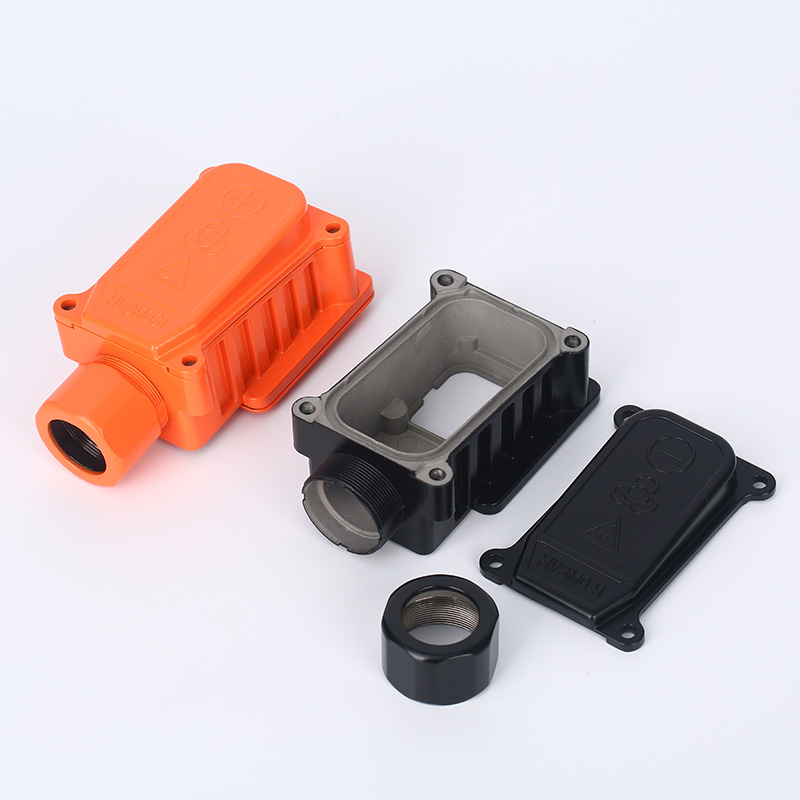
4. Aluminum Die Casting Process Explained
The aluminium alloy die casting process includes:
1. Mold design and CNC machining
2. Alloy melting and temperature control
3. High-pressure injection
4. Cooling and solidification
5. Trimming and deburring
6. Surface finishing (polishing, coating, etc.)
This process ensures high precision and excellent consistency in aluminum die casting parts.
5. Key Advantages of Aluminum Alloy Die Casting
● Lightweight yet strong
● High dimensional accuracy
● Excellent heat dissipation
● Ideal for complex shapes
● High production efficiency
● Compatible with CNC machining, anodizing, powder coating, etc.
6. Applications of Aluminum Die Casting Parts
Aluminum die casting parts are widely used in:
● Automotive engine covers, gearbox housings
● 5G communication housings and heat sinks
● Drone components
● LED lighting housings
● Aerospace brackets
● Industrial equipment parts
7. How to Select the Right Aluminum Casting Alloy
Selection depends on:
● Mechanical strength requirements
● Corrosion resistance
● Surface finishing needs
● Thermal conductivity
● Budget and mold cost
8. Design Guidelines for High-Quality Aluminium Alloy Die Casting
● Maintain uniform wall thickness
● Add proper draft angles
● Avoid sharp corners
● Design for proper flow and venting
● Conduct mold flow analysis for complex parts
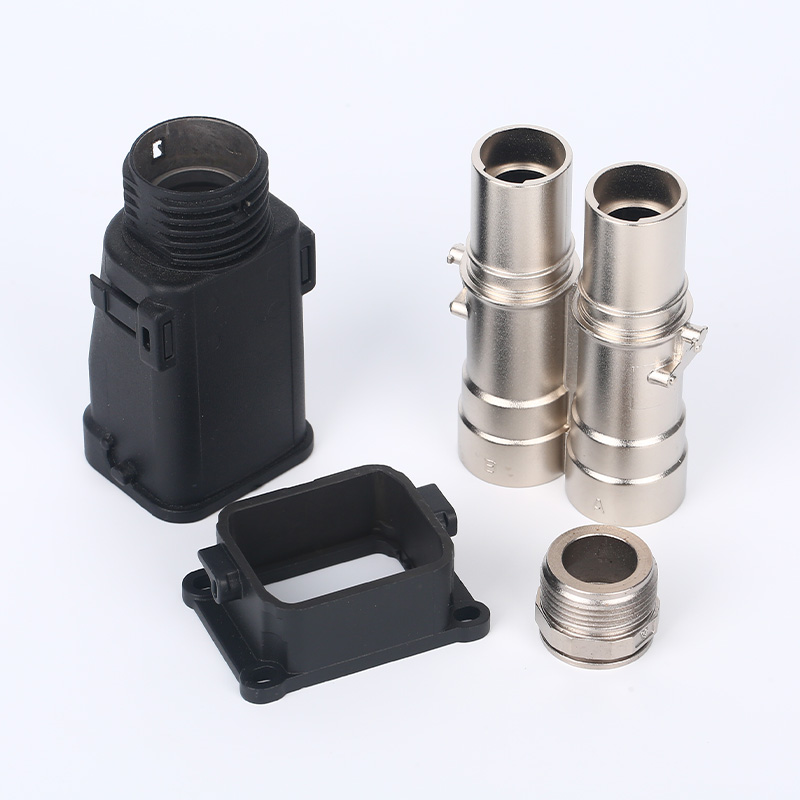
9. Surface Finishing Options for Aluminum Die Casting Parts
● Sand blasting
● Polishing
● Powder coating
● Anodizing
● Electrophoresis
10. Comparison: Aluminum Alloy Die Casting vs. Other Metal Casting
Compared with sand casting, gravity casting, or machining, aluminium alloy die casting offers:
● Higher precision
● Lower unit cost at medium-high volumes
● Smoother surface finish
● Better repeatability
11. Cost Factors in Aluminium Alloy Die Casting
Key cost influencers:
● Mold manufacturing cost
● Alloy material selection
● Product complexity
● Surface finishing requirements
● Production quantity
12. How to Choose a Reliable Aluminum Die Casting Manufacturer
Choosing a reliable aluminium die casting manufacturer requires evaluating production capacity, mould design expertise, precision control, and the ability to handle different aluminum casting alloys. HuiLan stands out as a professional die casting mould manufacturer with complete aluminium die casting tooling capabilities, advanced CNC engraving machines, EDM, milling and grinding equipment, and 7 in-house zinc and aluminum die casting machines that support fast sampling and stable mass production. With tolerance control reaching ±0.10 mm for aluminum parts, HuiLan ensures high-quality aluminum die casting parts with minimal defects, suitable for electronics, automotive, telecom hardware, and structural components. Because many of HuiLan's products require electroplating, the company has developed strong expertise in mould flow design and surface-quality optimization—competencies that many die casting alloys aluminum suppliers cannot match. Supporting full customization, OEM/ODM, customer-supplied materials, and fast engineering response, HuiLan provides global buyers with efficient communication and flexible cooperation. For businesses seeking a trustworthy aluminium alloy die casting partner, HuiLan offers professional mould fabrication, rapid trial molds, and proven experience that significantly shortens development time and ensures stable, high-performance aluminium alloy die casting results.